

Traumatic experiences and distressing memories can leave a lasting impact on your mental health, often making it feel impossible to move forward. If you find yourself stuck in the past or overwhelmed by emotional triggers, Eye Movement Desensitization and Reprocessing (EMDR) therapy offers a powerful, evidence-based path to healing.
At Taylor Counseling Group, our therapists are trained to provide EMDR therapy as a way to help you process difficult memories and reduce their emotional charge. By activating the brain’s natural healing processes, EMDR allows you to find relief from the symptoms of trauma without having to speak in detail about the event for hours on end. This specialized approach empowers you to:
- Process distressing memories in a safe, controlled environment.
- Reduce the intensity of emotional triggers and flashbacks.
- Break free from negative self-beliefs rooted in past experiences.
- Build resilience and long-term emotional stability.
Through the specialized lens of EMDR, we’ll be able to create a treatment plan to help resolve past trauma and improve your overall health and wellness.
filter by:

Sandra Aponte Paniagua, M.Ed., LPC
Houston Memorial Park
View Profile
Jana Anderson, M.S., LPC-S
Galleria
View Profile



Stacey Gary, M.A., LPC
San Antonio: Alamo Heights
View Profile
Danielle Sanders, M.S., LPC
Dallas
View Profile
Geoffrey Godley, M.Ed., LPC
West Houston
View Profile
Lydia Ehrmann, M.S., LMFT
San Antonio: Alamo Heights
View Profile
Makira Nolen, M.A., LPC
Coppell
View Profile


Rachel Reeves, M.A., LPC
Fort Worth
View Profile
Sierra Richard, M.Ed., LPC
Dallas
View Profile
Shelby N. LaMothe, M.S., LPC
The Woodlands
View Profile
Stacy Moore, M.S., LPC
San Antonio: Alamo Heights
View Profile
Christina Martinez, M.S., LPC
Fort Worth
View Profile
Jessica Martin; M.S., LPC
The Woodlands
View Profile
Suzanne Fouad, M.A., LPC-Associate
Galleria
View Profile

Sandra Jones,M.A.,LPC-S
San Antonio
View Profile
Ally Clemments, M.A., LPC
Dallas
View Profile
Emma Leach, Practicum Student
Dallas
View Profile
Brittany Sanchez, M.S., LPC-Associate
The Woodlands
View Profile
Alpana Lakshmi, MS, LMFT, LPC
Houston Memorial Park
View Profile
Lindsey Goodman, LPC-Associate, M.Ed.
Galleria
View Profile
Matthew Spikes, M.Ed, LPC
Dallas
View Profile
Harry Carpio, M.S, LPC
Houston Memorial Park
View Profile
Lori Caperton, M.A., LPC
Dallas
View Profile
Ileana Villarreal, M.A., LMFT
San Antonio
View Profile
Nicole Garth, M.S., LPC-Associate
Dallas
View Profile
Kristen Martinez, MSW, LCSW
Fort Worth
View Profile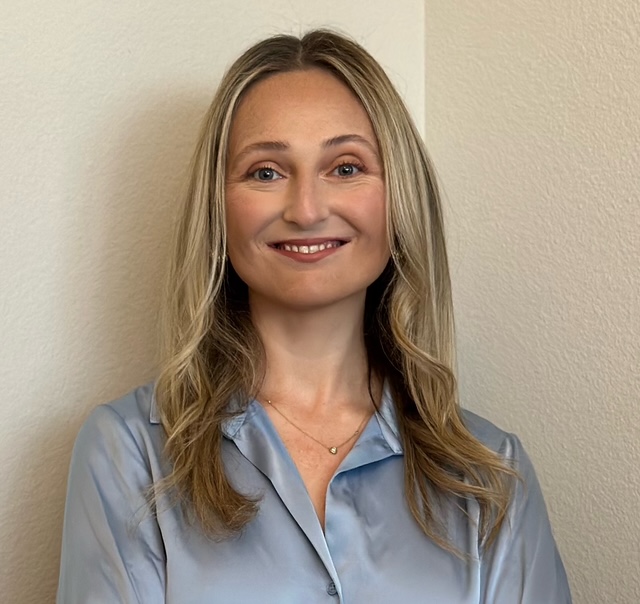
Megan Schaefer, M.S., LPC
San Antonio
View Profile
Jesse Gill, MSW, LCSW
Galleria
View Profile
Bria Harris, MA, LPC
Galleria
View Profile
Emily Rogers, M.S., LPC
Fort Worth
View Profile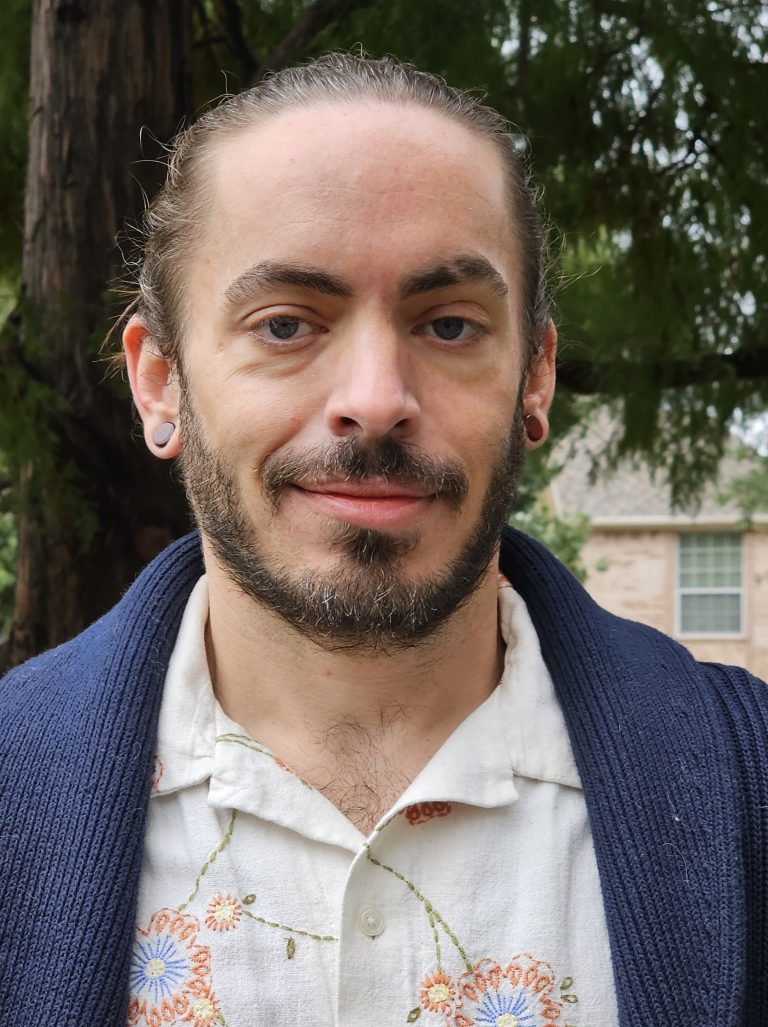
Antoine Votaw, MA, LPC, LCDC
Dallas
View Profile
Ashley Davis, M.A., LPC
Dallas
View Profile
Holly Patterson, MA, LPC
Fort Worth
View Profile
Kotia Whitaker, M.S. LMFT
San Antonio: Alamo Heights
View Profile
Colleen Farris, MS, LPC, LMHC
Coppell
View Profile

Christopher Hinds, MRC, LPC
Dallas
View Profile
Understanding EMDR Therapy
Eye Movement Desensitization and Reprocessing (EMDR) is a specialized form of psychotherapy designed to alleviate the distress associated with traumatic memories. Unlike traditional talk therapy, which focuses on changing thoughts and behaviors through conversation, EMDR focuses directly on the memory itself to change how it is stored in the brain.
When a person experiences trauma, the brain’s natural processing system can become overwhelmed, causing the memory to get “stuck” in its original, raw form. EMDR uses bilateral stimulation, typically through guided eye movements, taps, or tones, to help the brain reprocess these memories so they no longer cause significant emotional pain.
What Can EMDR Treat?
While originally developed to treat PTSD, EMDR is now widely used to address a variety of mental health challenges, including:
- Panic attacks and anxiety disorders
- Complicated grief
- Phobias and performance anxiety
- Chronic pain or illness
- Disturbing life experiences (divorce, accidents, or loss)

How EMDR Therapy Works
The goal of EMDR is to help you “digest” traumatic memories so they become part of your past rather than a constant presence in your present. During a session, your therapist will guide you through a series of bilateral stimulations while you focus briefly on a distressing memory.
As the brain processes the information, the emotional intensity of the memory begins to fade. Over time, the memory loses its “sting,” and the negative beliefs you held about yourself (such as “I am unsafe” or “It was my fault”) are replaced with more adaptive, positive thoughts (such as “I am safe now” or “I did the best I could”).

Our Approach to EMDR Therapy
At Taylor Counseling Group, we prioritize your safety and comfort above all else. Our EMDR therapists follow the standard eight-phase protocol, beginning with a thorough assessment and preparation phase. We ensure you have the necessary coping tools and “grounding” techniques in place before we begin processing any difficult memories.
We believe in a collaborative approach. Your therapist will work at your pace, ensuring that you feel supported and empowered throughout your journey toward recovery. Whether used as a standalone treatment or integrated into your ongoing counseling, EMDR is a transformative tool for lasting change.
Schedule A Counseling Session For EMDR Therapy
Client PortalWhy Choose Taylor Counseling Group for EMDR?
Finding the right environment for trauma work is essential. We provide a professional, compassionate setting where you can feel secure as you heal.
Evidence-Based Care
EMDR is recognized as an effective treatment by the American Psychiatric Association, the World Health Organization, and the Department of Defense. Our therapists stay current with the latest EMDRIA-approved techniques.
Personalized Treatment Plans
We recognize that no two journeys are the same. Your EMDR sessions will be tailored to your specific history, goals, and emotional needs.
Affordable, Accessible Support
We believe high-quality trauma care should be accessible. We accept most major insurance plans and offer a variety of locations throughout Texas to serve you.