

A client’s racial identity is a fundamental part of who they are. It shapes how they see themselves, how they interact with the world, and how the world interacts with them. However, navigating the complexities of race in a society marked by systemic barriers can be exhausting and emotionally taxing.
At Taylor Counseling Group, we provide a safe, supportive environment where clients can explore their identity, including race and culture, process race‑related stress, and move toward a more integrated and empowered sense of self.
- Meet Our Therapists
- Understanding the Impact of Racial Identity on Mental Health
- Common Challenges in Racial Identity Exploration
- How Racial Identity Therapy Can Help Clients Heal
- Our Approach to Culturally Responsive Counseling
- Why Choose Taylor Counseling Group for Identity Support?
With a deeper sense of understanding, we’ll be able to create a treatment plan to help control anxiety and improve your overall health and wellness.
filter by:

Sandra Aponte Paniagua, M.Ed., LPC
Houston Memorial Park
View Profile
Jana Anderson, M.S., LPC-S
Galleria
View Profile

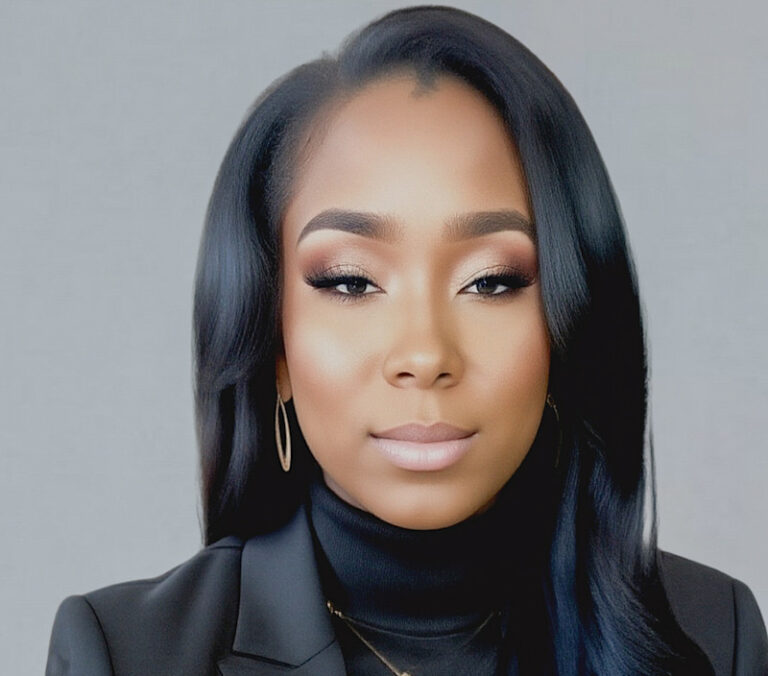

Stacey Gary, M.A., LPC
San Antonio: Alamo Heights
View Profile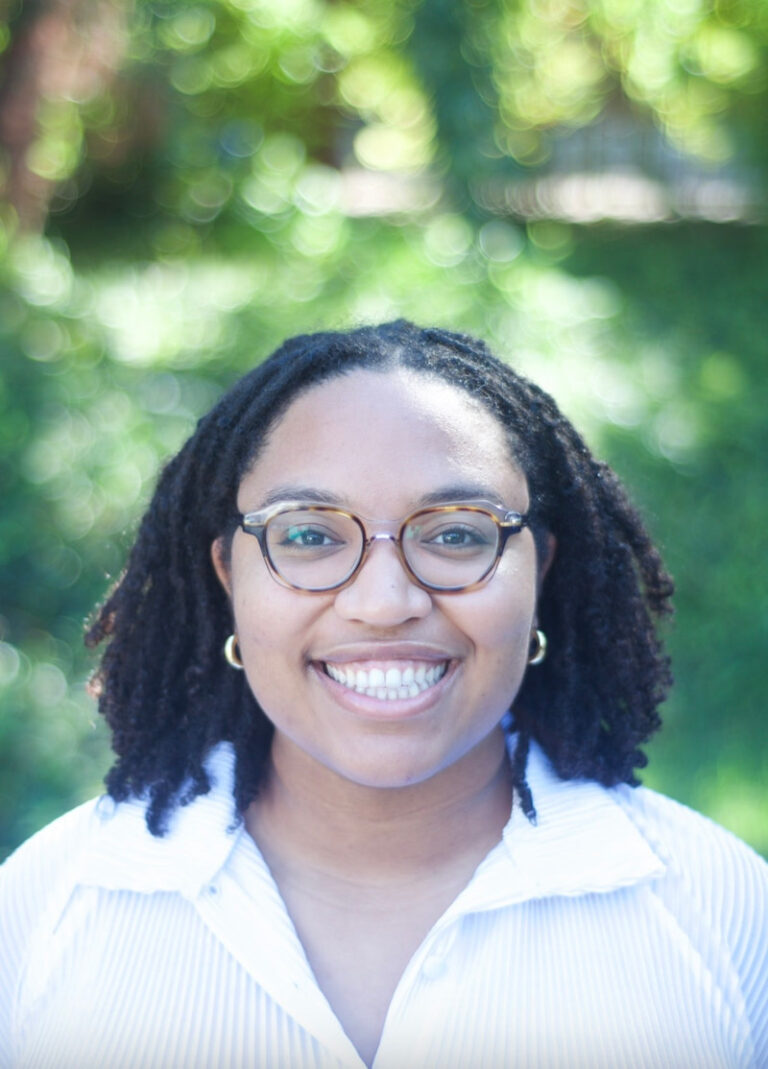
Danielle Sanders, M.S., LPC
Dallas
View Profile
Geoffrey Godley, M.Ed., LPC
West Houston
View Profile
Lydia Ehrmann, M.S., LMFT
San Antonio: Alamo Heights
View Profile
Makira Nolen, M.A., LPC
Coppell
View Profile
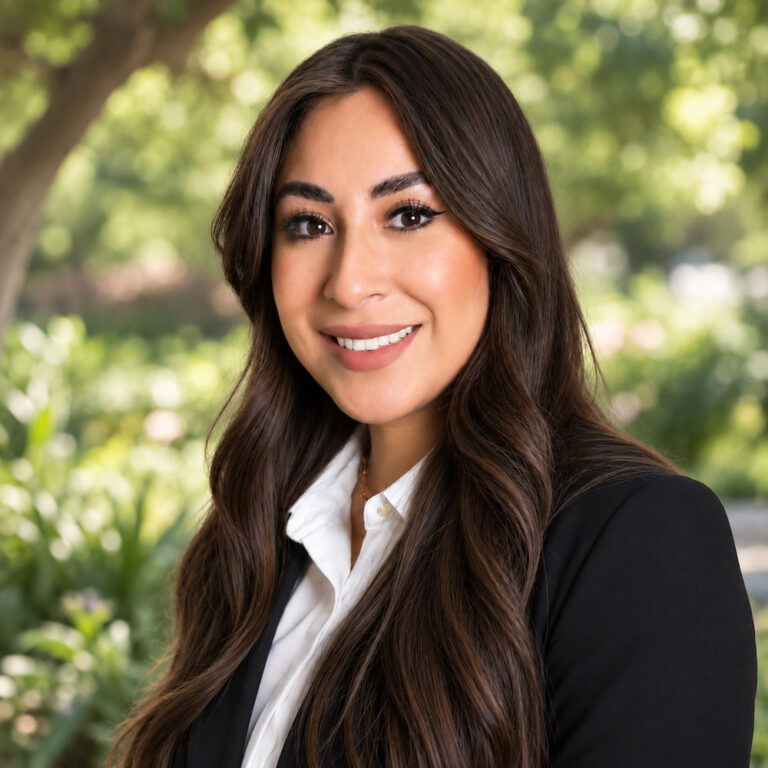


Rachel Reeves, M.A., LPC
Fort Worth
View Profile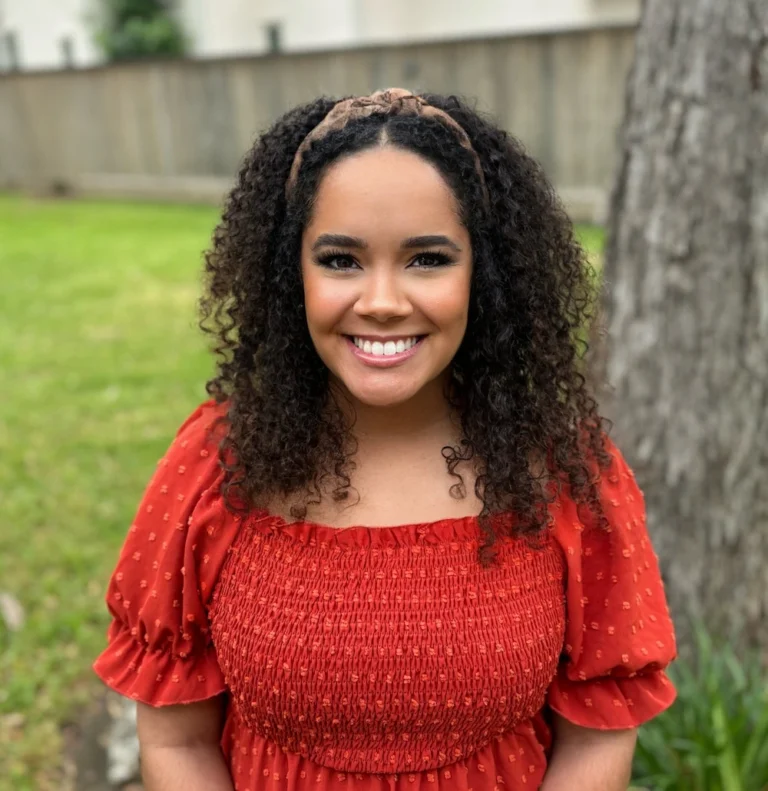
Sierra Richard, M.Ed., LPC
Dallas
View Profile
Shelby N. LaMothe, M.S., LPC
The Woodlands
View Profile
Stacy Moore, M.S., LPC
San Antonio: Alamo Heights
View Profile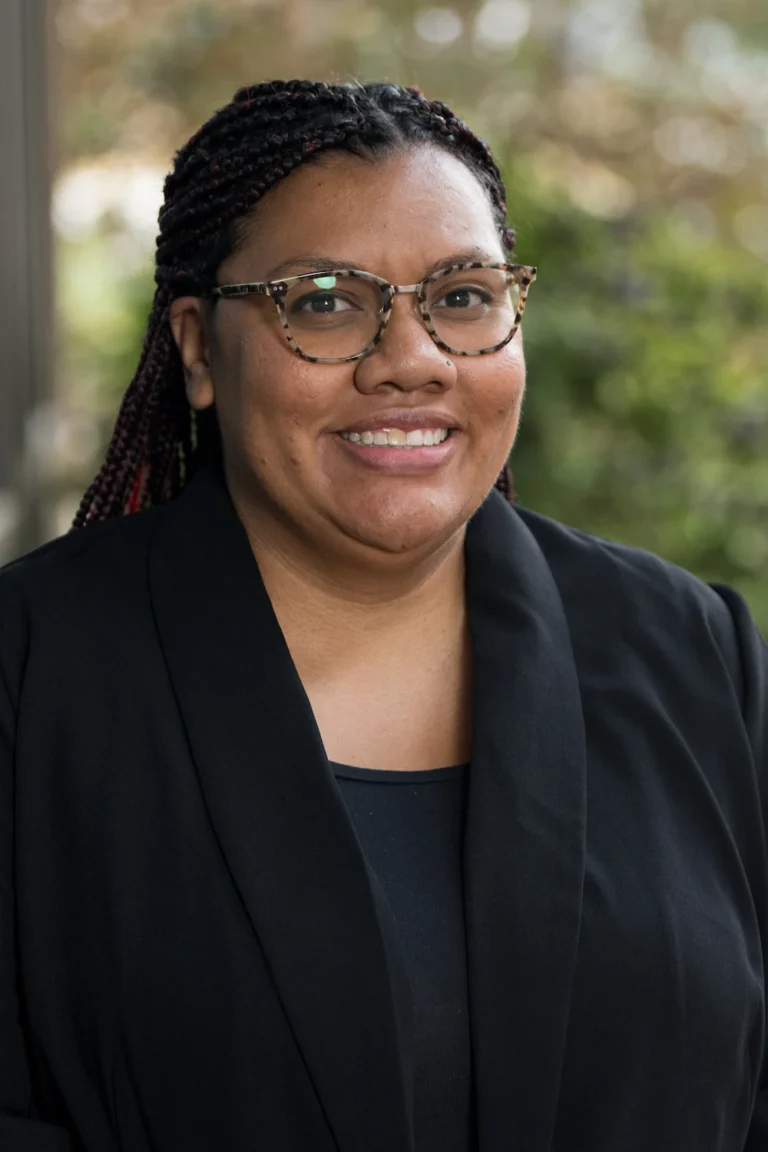
Christina Martinez, M.S., LPC
Fort Worth
View Profile
Natalina Velez, MSW, LCSW
San Antonio: Alamo Heights
View Profile
Jessica Martin; M.S., LPC
The Woodlands
View Profile
Suzanne Fouad, M.A., LPC-Associate
Galleria
View Profile

Sandra Jones,M.A.,LPC-S
San Antonio
View Profile
Ally Clemments, M.A., LPC
Dallas
View Profile
Emma Leach, Practicum Student
Dallas
View Profile
Rose Ann Hopwood, M.A., LPC
Galleria
View Profile
Brittany Sanchez, M.S., LPC-Associate
The Woodlands
View Profile
Alpana Lakshmi, MS, LMFT, LPC
Houston Memorial Park
View Profile
Jennifer Sprague, M.S, LPC
Fort Worth
View Profile
Lindsey Goodman, LPC-Associate, M.Ed.
Galleria
View Profile
Matthew Spikes, M.Ed, LPC
Dallas
View Profile
Gabrielle White, M.A., LCSW
Waco
View Profile
Harry Carpio, M.S, LPC
Houston Memorial Park
View Profile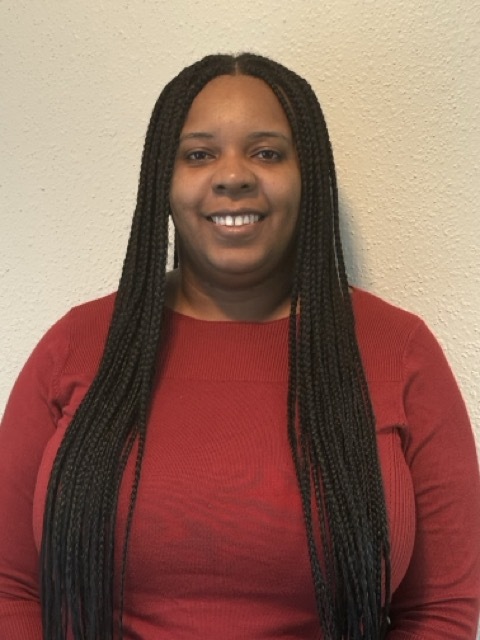
Tichina Lynch, M.S., LPC
Houston Memorial Park
View Profile
Lori Caperton, M.A., LPC
Dallas
View Profile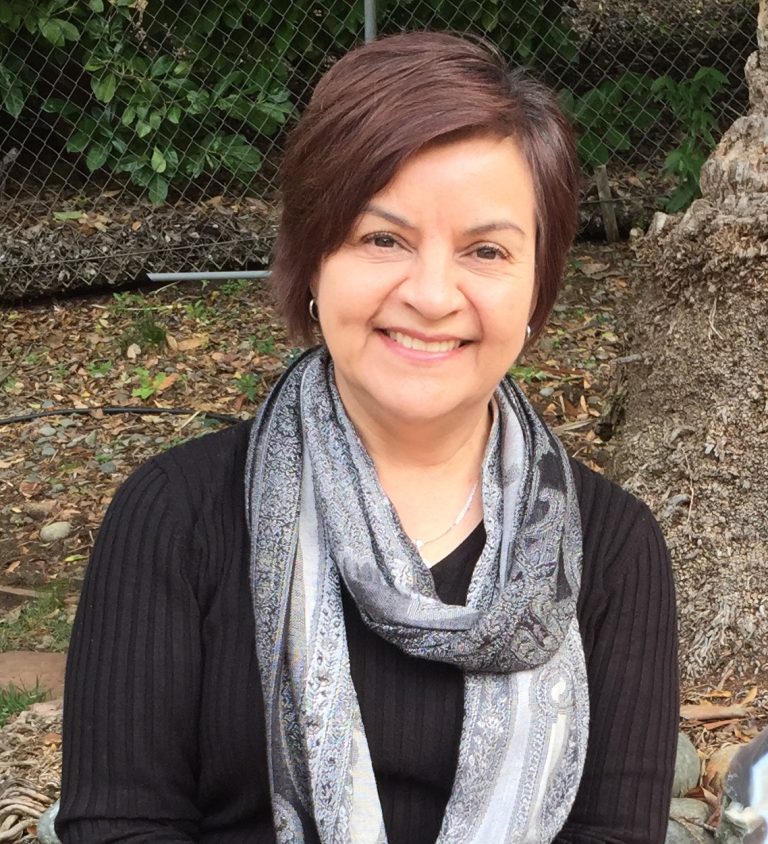
Ileana Villarreal, M.A., LMFT
San Antonio
View Profile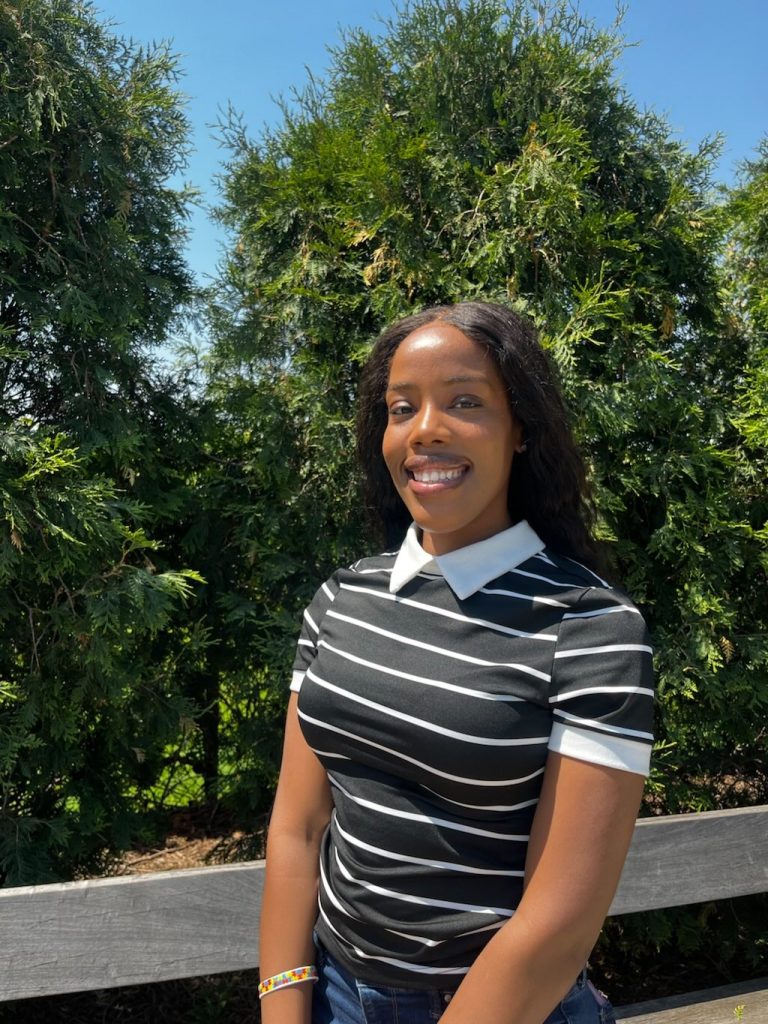
Nicole Garth, M.S., LPC-Associate
Dallas
View Profile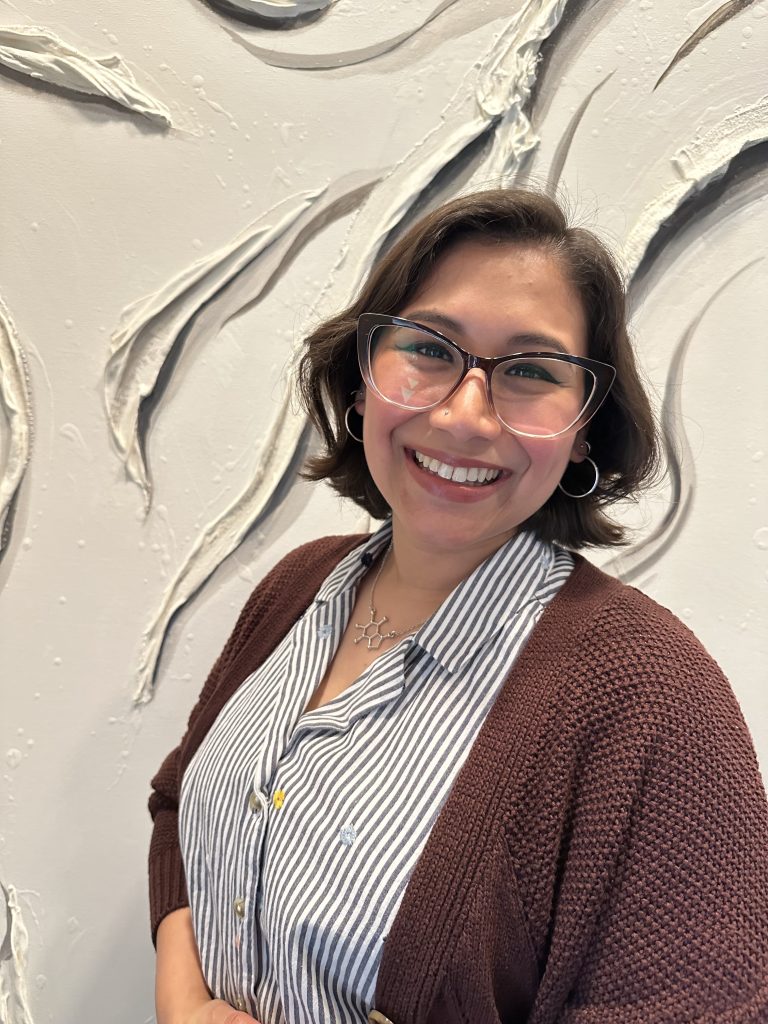
Kristen Martinez, MSW, LCSW
Fort Worth
View Profile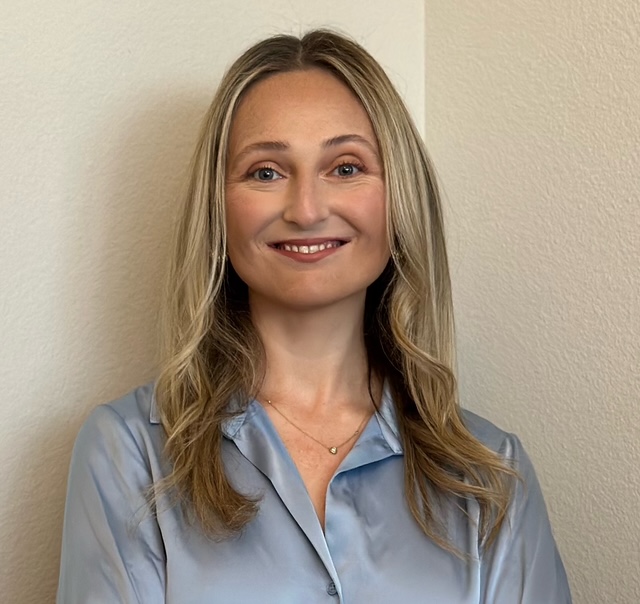
Megan Schaefer, M.S., LPC
San Antonio
View Profile
Jesse Gill, MSW, LCSW
Galleria
View Profile
Bria Harris, MA, LPC
Galleria
View Profile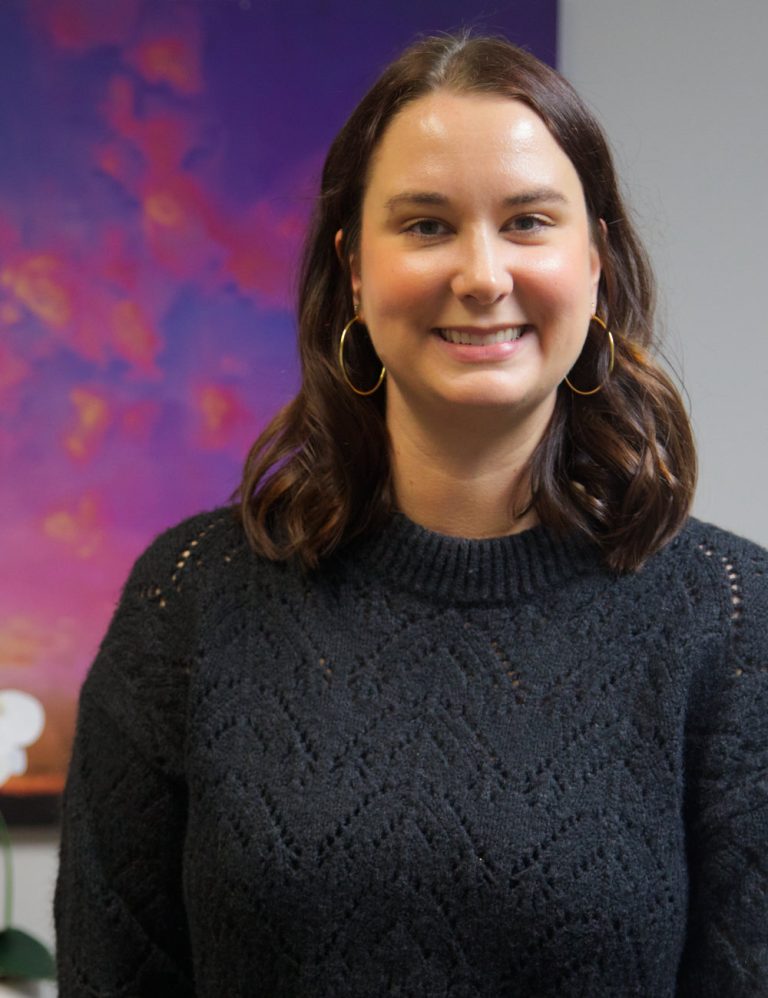
Krista Weaver, MSW, LCSW, C-DBT
Fort Worth
View Profile
Ann Meripolski, MS, LPC, LCDC
Dallas
View Profile
Christina Knight, M.S. LPC
Coppell
View Profile
Emily Rogers, M.S., LPC
Fort Worth
View Profile
Megan Hawkins, M.A., LPC
Houston Memorial Park
View Profile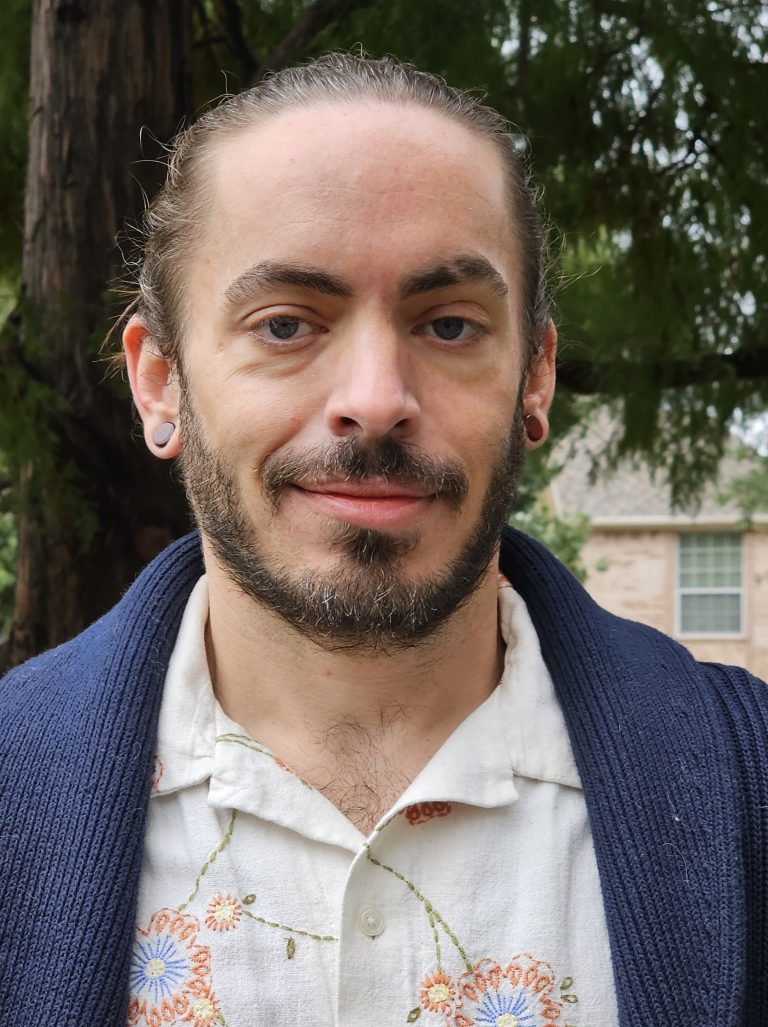
Antoine Votaw, MA, LPC, LCDC
Dallas
View Profile
Michelle Rodgers, MS, LPC-S
Dallas
View Profile
Anita Cepeda, MA, LPC
Galleria
View Profile
Nicole Kremer, M.A., LPC
San Antonio: Alamo Heights
View Profile
Hailey-Lou Lowry, LPC-Associate, LCDC
The Woodlands
View Profile
Hannah Frederick, M.A, LPC
Dallas
View Profile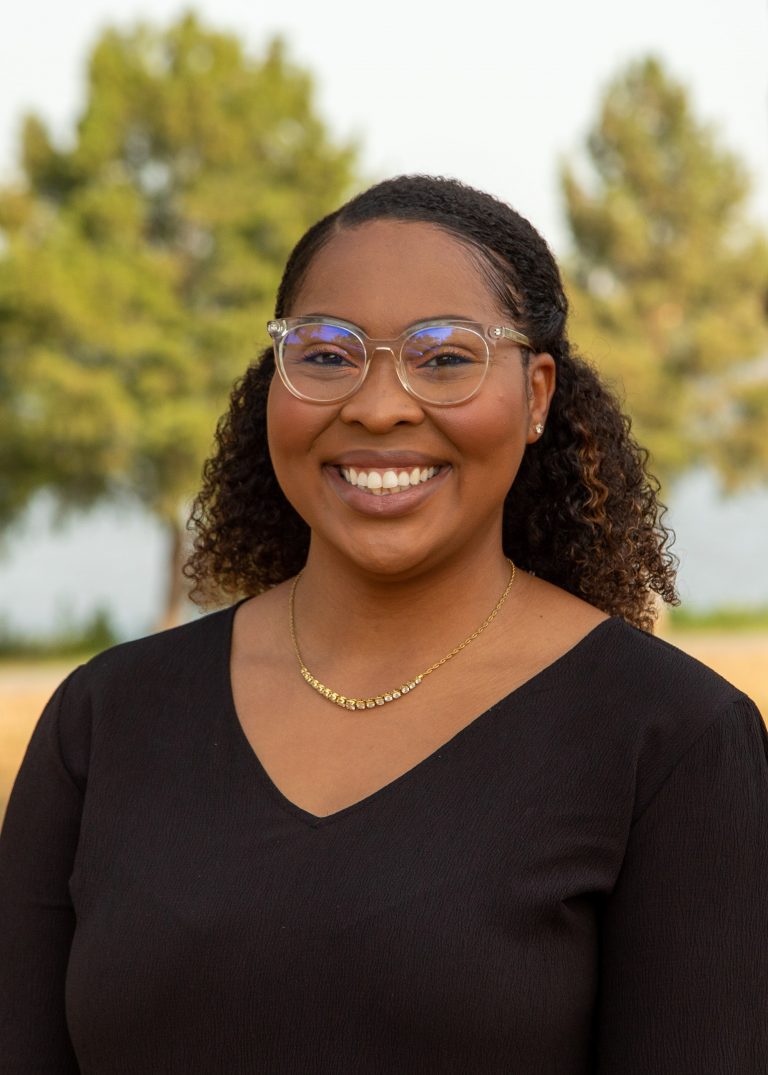
Kaila “Kai” Parker, Practicum Student
Dallas
View Profile
Ashley Davis, M.A., LPC
Dallas
View Profile
Holly Patterson, MA, LPC
Fort Worth
View Profile
Kotia Whitaker, M.S. LMFT
San Antonio: Alamo Heights
View Profile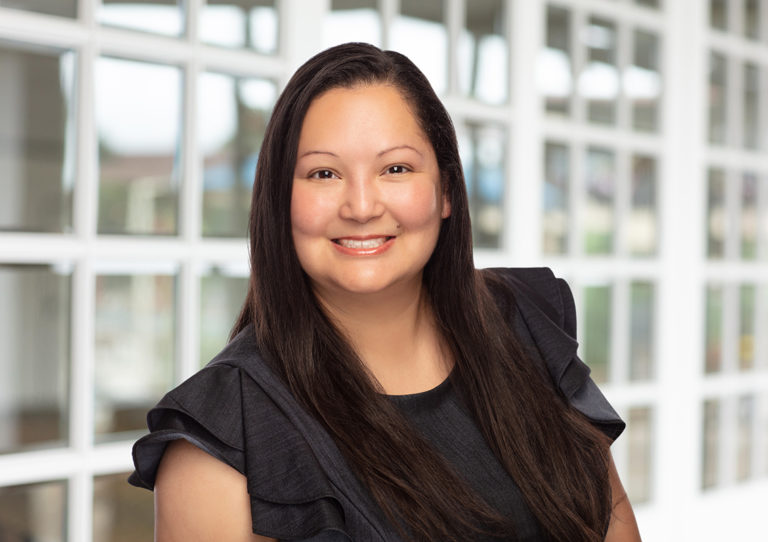
Vanessa Perkins, MA, LPC
Fort Worth
View Profile
Amy Hill, MS, LPC-S, LMFT-S
Coppell
View Profile
Colleen Farris, MS, LPC, LMHC
Coppell
View Profile
Stephanie Jutras, MSW, LCSW
Galleria
View Profile

Lori Shaw, MS, LPC-S
Galleria
View Profile
Christopher Hinds, MRC, LPC
Dallas
View Profile
Understanding the Impact of Racial Identity on Mental Health
Racial identity is not a static label; it is a dynamic, lifelong process of understanding one’s place within a racial group and the broader social hierarchy. For many, this journey involves navigating the tension between personal values and societal expectations. When this identity is challenged by discrimination or systemic exclusion, it can lead to significant individual counseling needs for struggles including anxiety, depression, and a diminished sense of self-worth.

Common Challenges in Racial Identity Exploration
The path to a secure racial identity is often paved with obstacles. Many clients face daily microaggressions—subtle, everyday slights that communicate hostile or derogatory messages. Over time, these experiences accumulate, leading to race-based traumatic stress.
Other common challenges include:
- Code-switching: The pressure to alter a client’s speech, appearance, or behavior to fit into dominant cultural spaces, which can lead to feelings of inauthenticity and exhaustion.
- Intersectionality: Navigating how race intersects with other identities, such as gender, orientation, or socioeconomic status.
- Belonging Conflicts: Feeling “not enough” for a client’s own community or feeling like an outsider in majority spaces.
- Intergenerational Trauma: Processing the historical and systemic trauma passed down through families.

How Racial Identity Therapy Can Help Clients Heal
Identity development counseling provides a dedicated space to unpack these complex experiences:
- Name and Validate Their Experience: Simply acknowledging the reality of systemic racism and its impact on their mental health can be incredibly healing.
- Build Resilience: Develop coping strategies to manage the emotional toll of discrimination and systemic barriers.
- Reclaim Their Narrative: Move beyond the stereotypes and labels imposed by others to define their own identity on their own terms.
- Process Racial Trauma: Use trauma-informed techniques to heal from the psychological wounds of past and present racial experiences.
The goal of identity-focused counseling is to help clients develop a secure, integrated sense of self, where they feel confident in their heritage and empowered to navigate the world authentically.
Our Approach to Culturally Responsive Counseling
At Taylor Counseling Group, we believe that effective therapy should be culturally responsive. This means our therapists strive to understand the social and historical contexts that shape a client’s life.
We utilize a strengths-based approach, focusing on the resilience and cultural assets they already possess. Our care is trauma-informed, ensuring that we create a space where clients feel safe to explore even the most painful aspects of their identity without fear of judgment or further marginalization.
Schedule A Racial Identity Counseling Session
Client PortalWhy Choose Taylor Counseling Group for Identity Support?
We are committed to making high-quality mental health care accessible to everyone. We understand that the communities most impacted by racial stress often face the greatest barriers to accessing care. That is why we offer:
- Affordable Care: Through our income‑based Affordable Care Program and flexible payment options, we work to reduce cost as a barrier to healing.
- Insurance Acceptance: We accept most major insurance plans to keep client out-of-pocket costs low.
- Multiple Locations: With offices across Central Texas—including Dallas, Fort Worth, Houston Memorial Park, San Antonio and other sites—we are proud to serve communities throughout the region.
- Services Options: We offer both in-person and online therapy for individuals, couples, families, children, and groups in the workplace.
Read our client testimonials to see how we have helped others on their journey.