

Experiencing a traumatic event can leave lasting effects that impact many areas of your life. If you find yourself struggling with intrusive thoughts, constant anxiety, or a sense of being “on edge” long after a distressing incident, you may be dealing with post-traumatic stress disorder (PTSD).
At Taylor Counseling Group, we understand that trauma is deeply personal and that the path to recovery requires a compassionate, trauma‑informed approach. Our team is dedicated to providing high‑quality mental health services across Central Texas, helping clients reclaim their lives through evidence‑based trauma and PTSD treatment strategies.
- Meet Our Therapists
- Understanding Post-Traumatic Stress Disorder
- Recognizing the Symptoms of PTSD
- Our Approach to PTSD Counseling and Therapy
- Why Choose Taylor Counseling Group for Trauma Recovery?
With a deeper sense of understanding, we’ll be able to create a treatment plan to help control anxiety and improve your overall health and wellness.
filter by:

Geoffrey Godley, M.Ed., LPC
West Houston
View Profile
Lydia Ehrmann, M.S., LMFT
San Antonio: Alamo Heights
View Profile
Makira Nolen, M.A., LPC
Coppell
View Profile

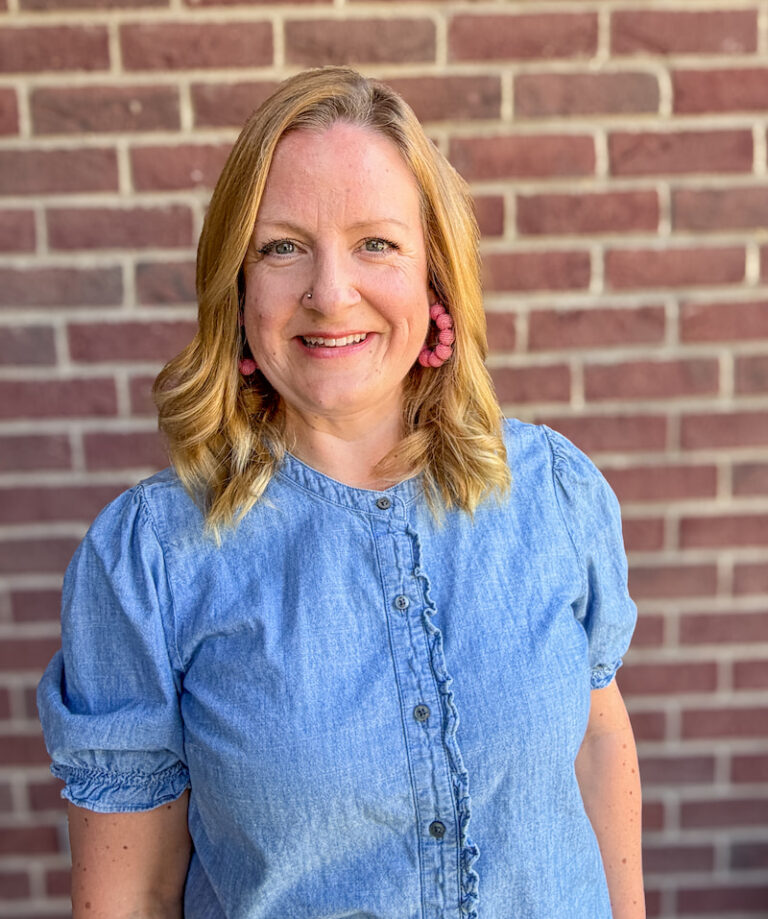

Rachel Reeves, M.A., LPC
Fort Worth
View Profile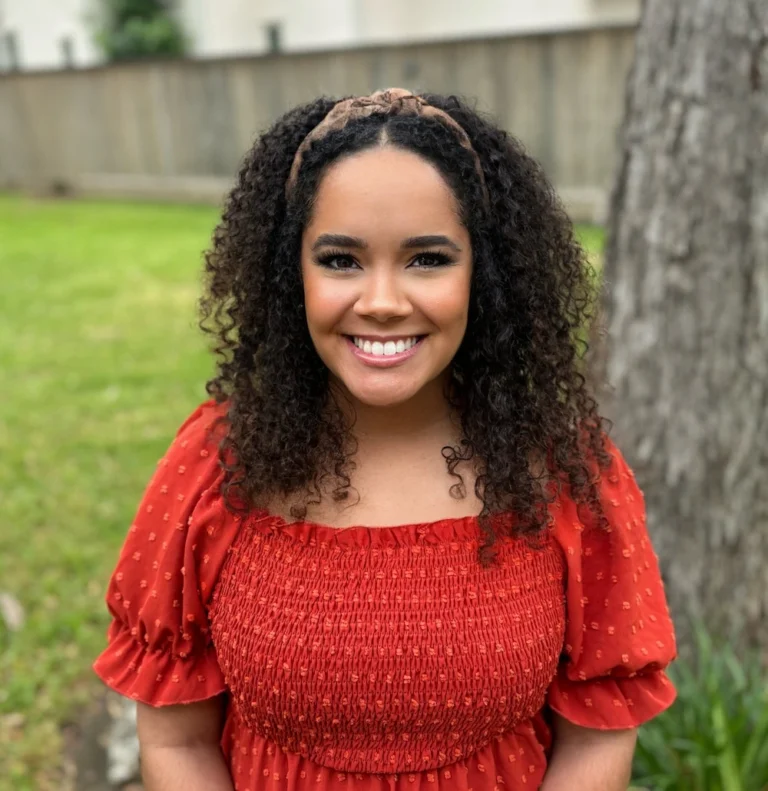
Sierra Richard, M.Ed., LPC
Dallas
View Profile
Shelby N. LaMothe, M.S., LPC
The Woodlands
View Profile
Stacy Moore, M.S., LPC
San Antonio: Alamo Heights
View Profile
Christina Martinez, M.S., LPC
Fort Worth
View Profile
Natalina Velez, MSW, LCSW
San Antonio: Alamo Heights
View Profile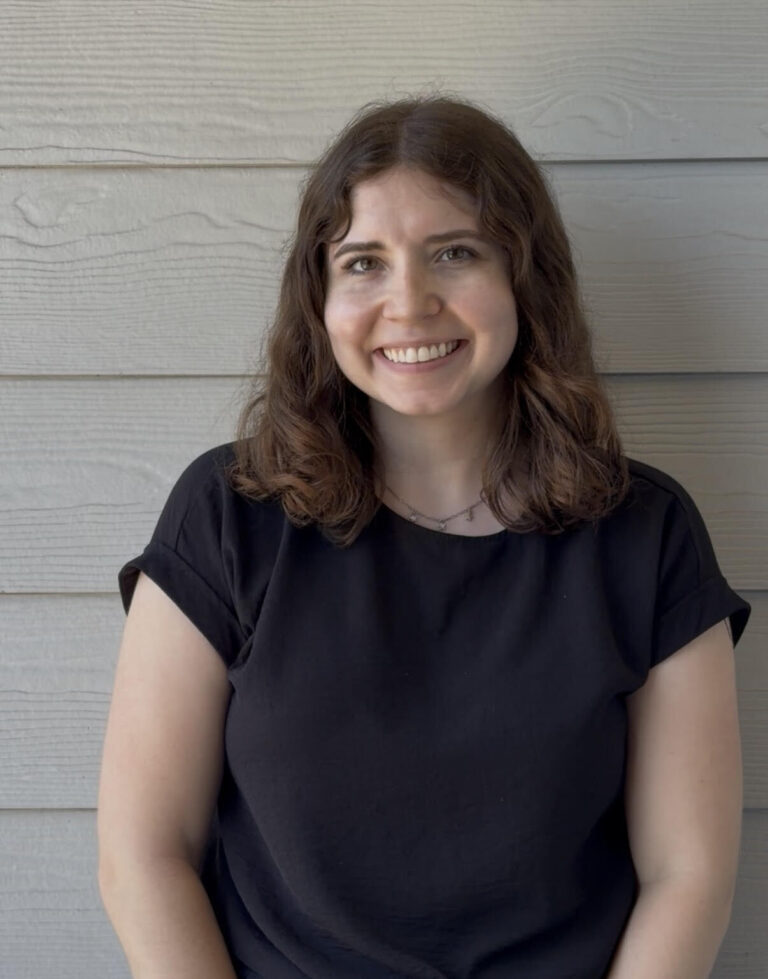
Jessica Martin; M.S., LPC
The Woodlands
View Profile
Suzanne Fouad, M.A., LPC-Associate
Galleria
View Profile
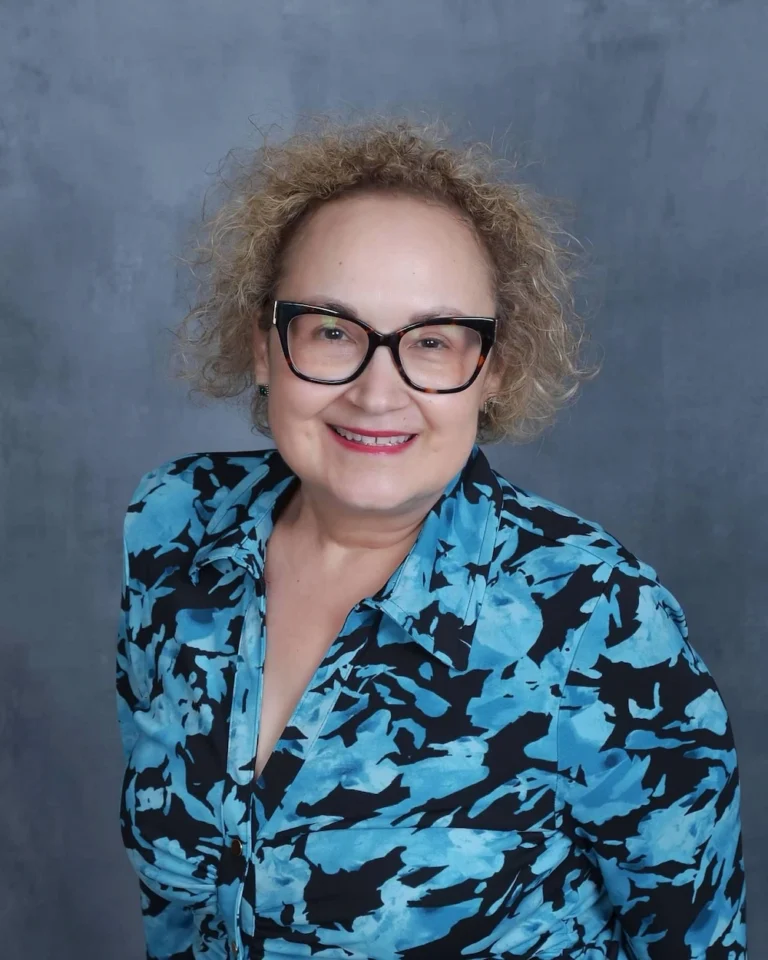
Sandra Jones,M.A.,LPC-S
San Antonio
View Profile
Ally Clemments, M.A., LPC
Dallas
View Profile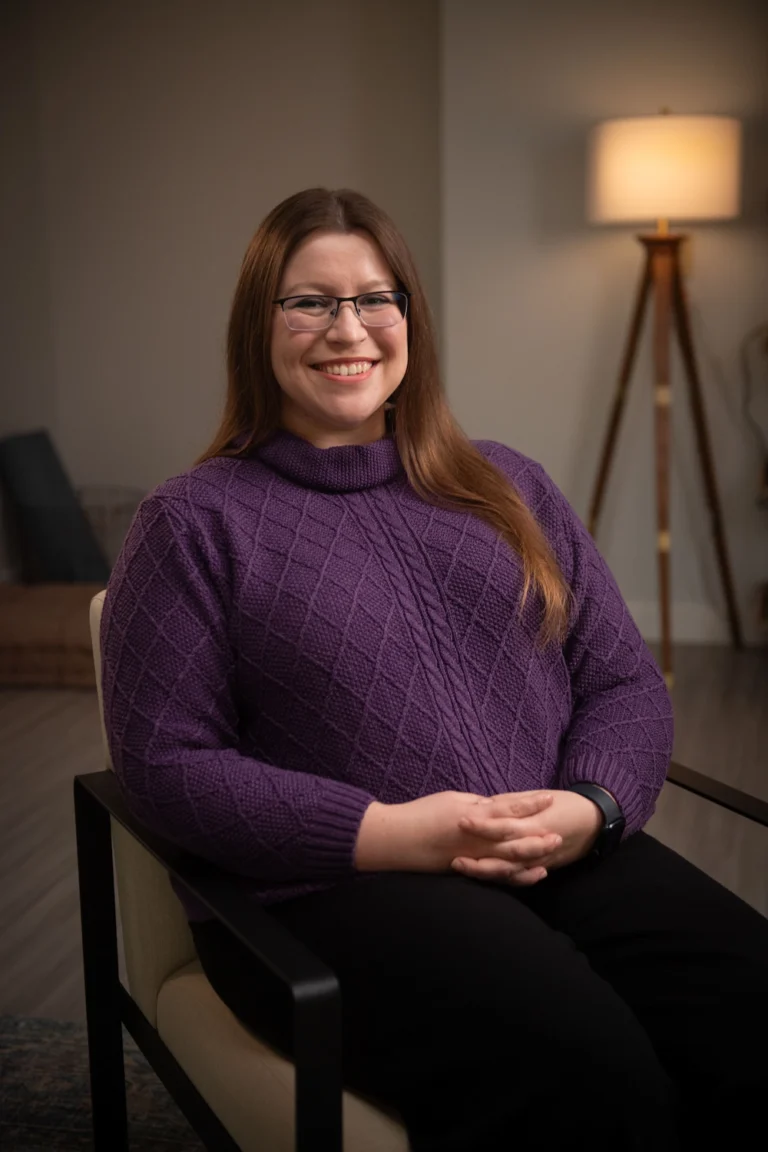
Emma Leach, Practicum Student
Dallas
View Profile
Rose Ann Hopwood, M.A., LPC
Galleria
View Profile
Brittany Sanchez, M.S., LPC-Associate
The Woodlands
View Profile
Alpana Lakshmi, MS, LMFT, LPC
Houston Memorial Park
View Profile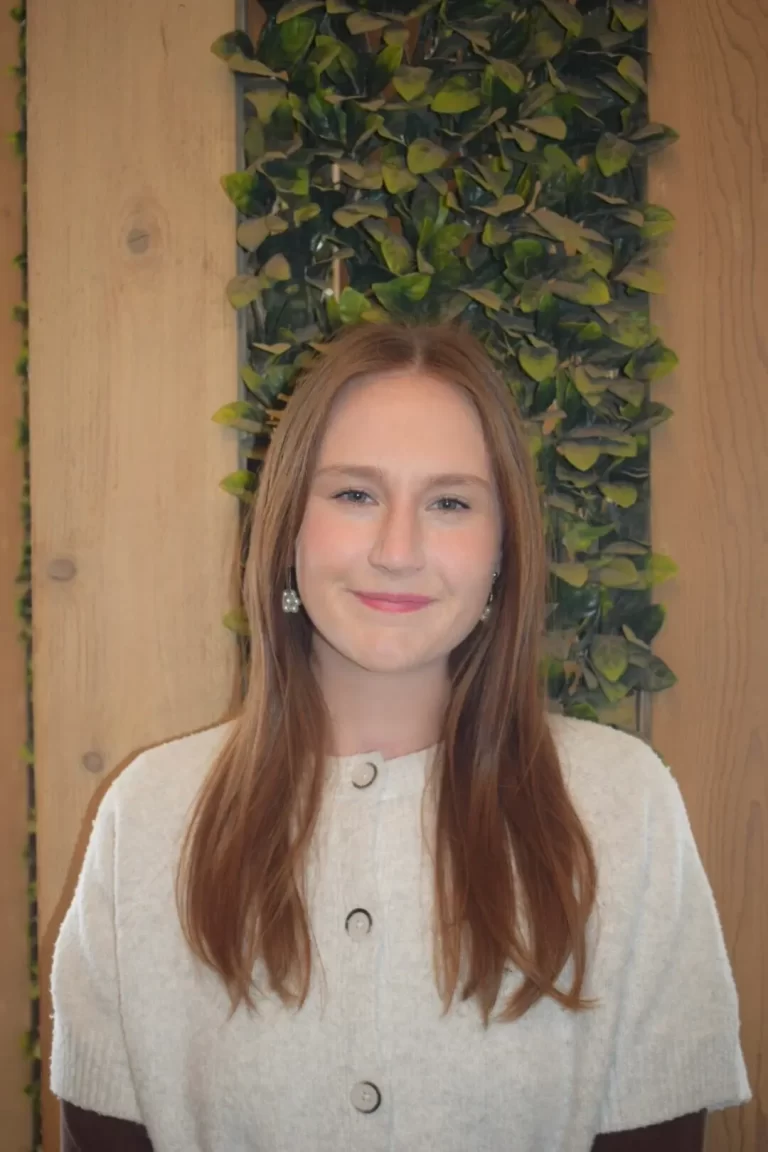
Jennifer Sprague, M.S, LPC
Fort Worth
View Profile
Lindsey Goodman, LPC-Associate, M.Ed.
Galleria
View Profile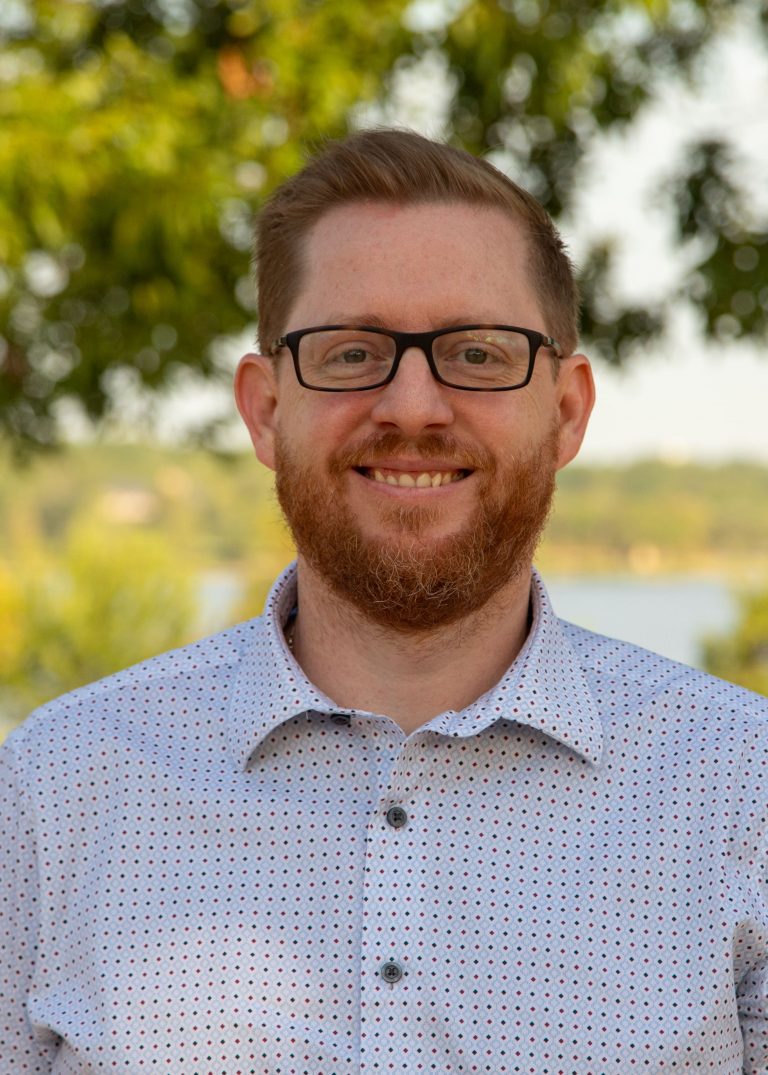
Matthew Spikes, M.Ed, LPC
Dallas
View Profile
Gabrielle White, M.A., LCSW
Waco
View Profile
Harry Carpio, M.S, LPC
Houston Memorial Park
View Profile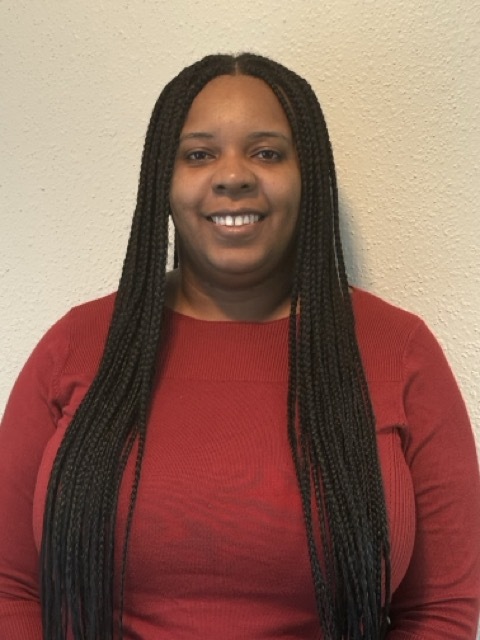
Tichina Lynch, M.S., LPC
Houston Memorial Park
View Profile
Lori Caperton, M.A., LPC
Dallas
View Profile
Ileana Villarreal, M.A., LMFT
San Antonio
View Profile
Nicole Garth, M.S., LPC-Associate
Dallas
View Profile
Kristen Martinez, MSW, LCSW
Fort Worth
View Profile
Megan Schaefer, M.S., LPC
San Antonio
View Profile
Jesse Gill, MSW, LCSW
Galleria
View Profile
Bria Harris, MA, LPC
Galleria
View Profile
Krista Weaver, MSW, LCSW, C-DBT
Fort Worth
View Profile
Ann Meripolski, MS, LPC, LCDC
Dallas
View Profile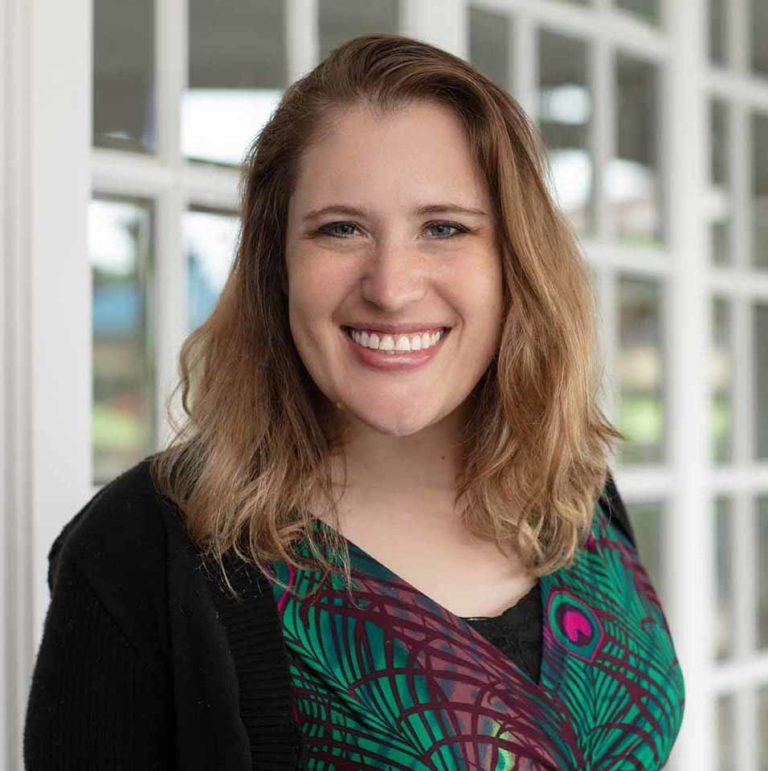
Christina Knight, M.S. LPC
Coppell
View Profile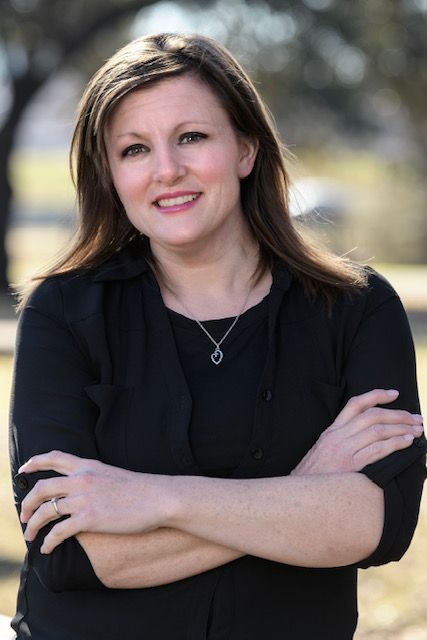
Emily Rogers, M.S., LPC
Fort Worth
View Profile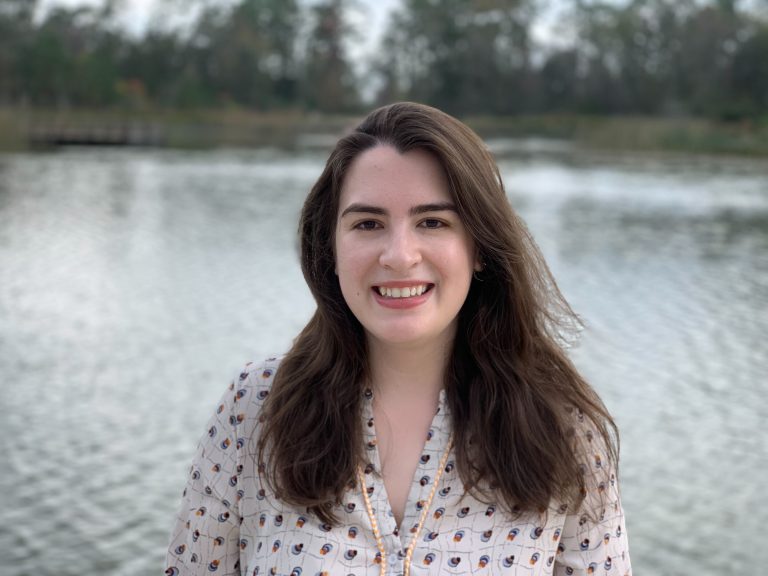
Megan Hawkins, M.A., LPC
Houston Memorial Park
View Profile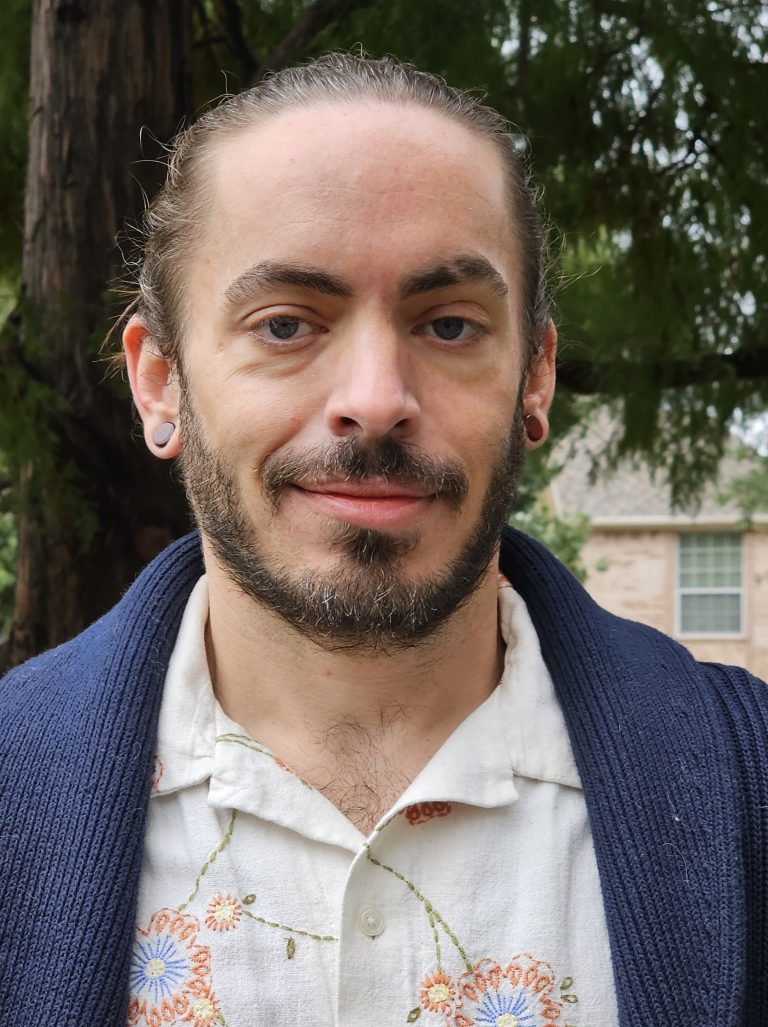
Antoine Votaw, MA, LPC, LCDC
Dallas
View Profile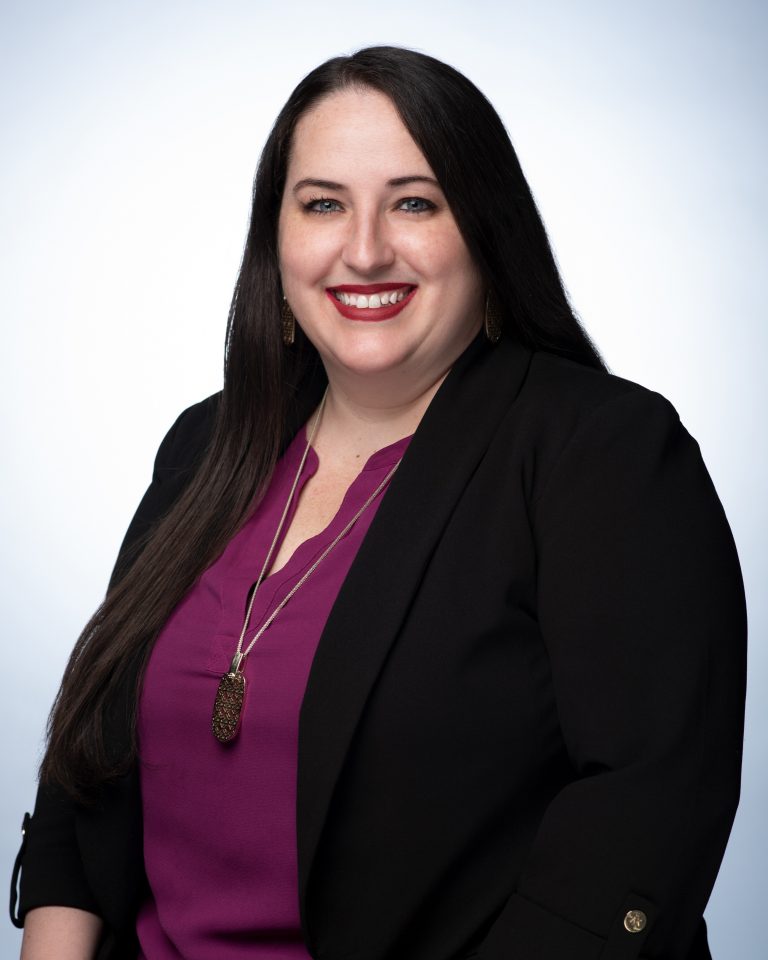
Michelle Rodgers, MS, LPC-S
Dallas
View Profile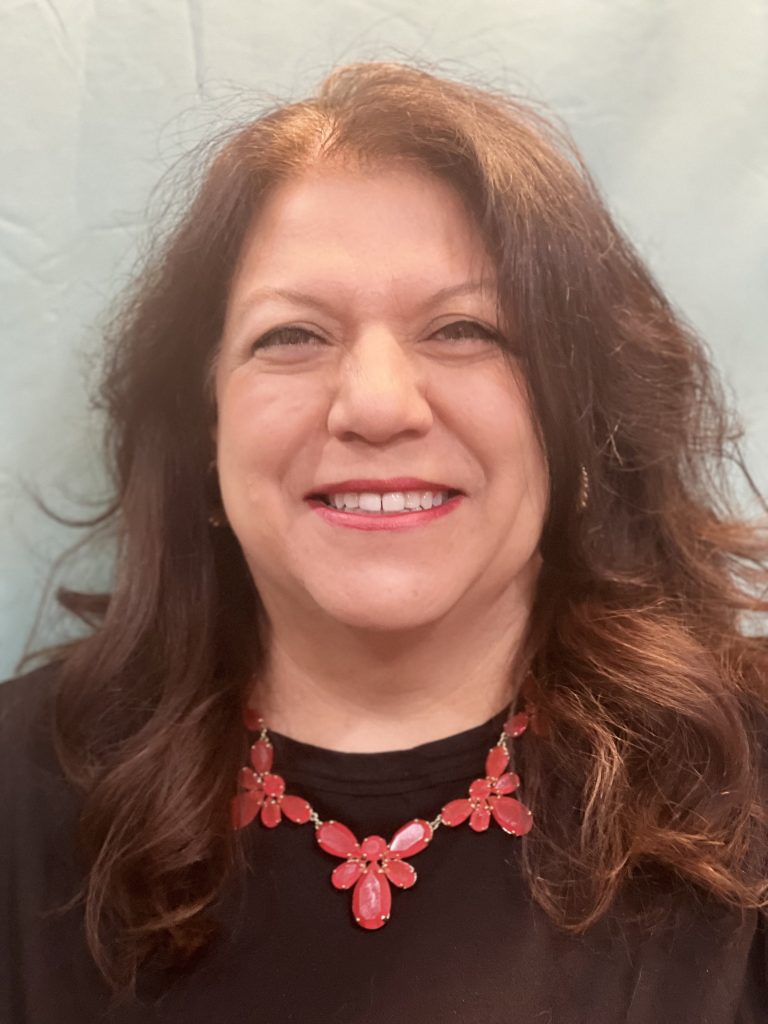
Anita Cepeda, MA, LPC
Galleria
View Profile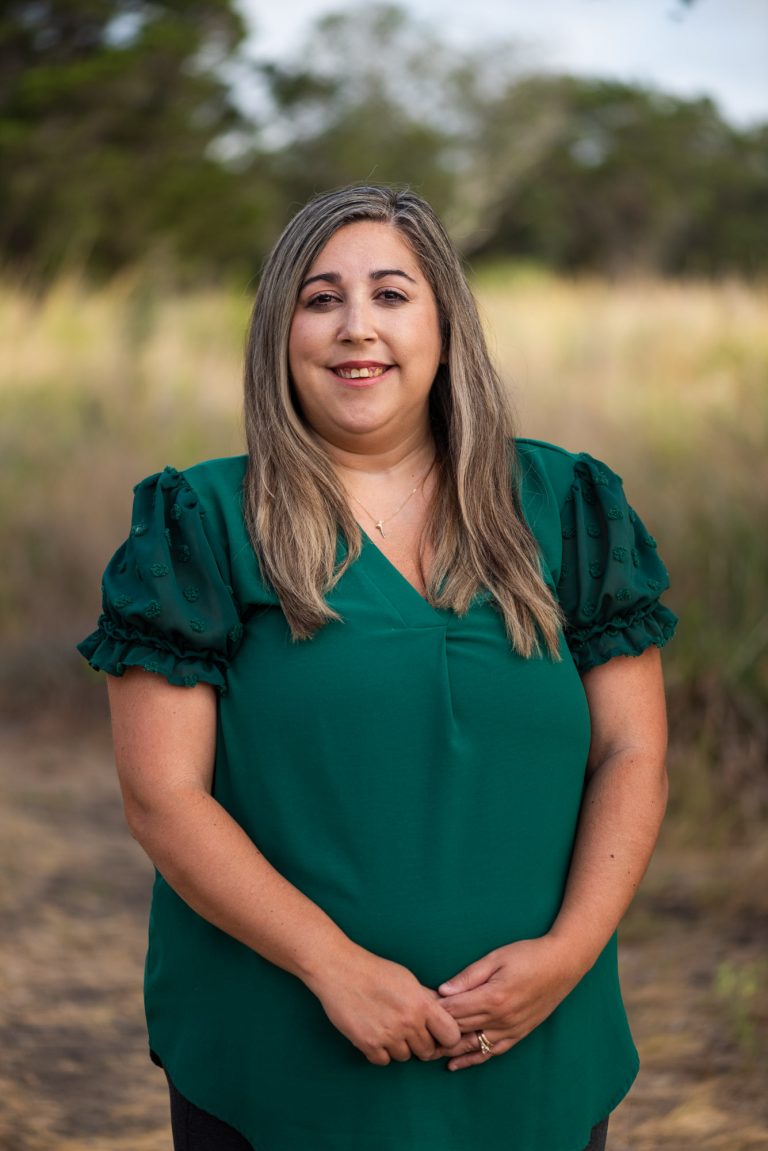
Nicole Kremer, M.A., LPC
San Antonio: Alamo Heights
View Profile
Hailey-Lou Lowry, LPC-Associate, LCDC
The Woodlands
View Profile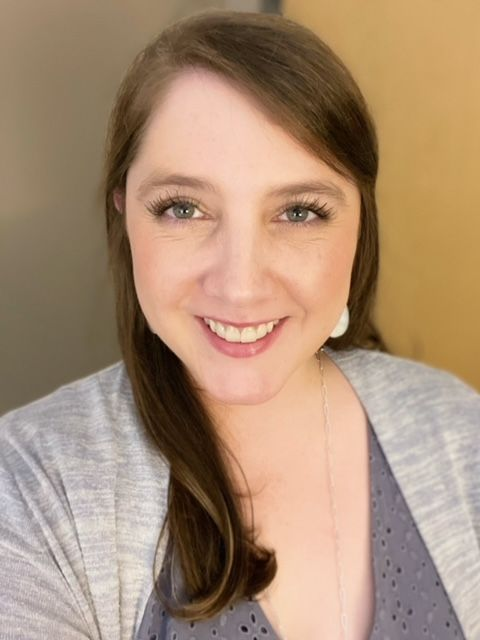
Hannah Frederick, M.A, LPC
Dallas
View Profile
Kaila “Kai” Parker, Practicum Student
Dallas
View Profile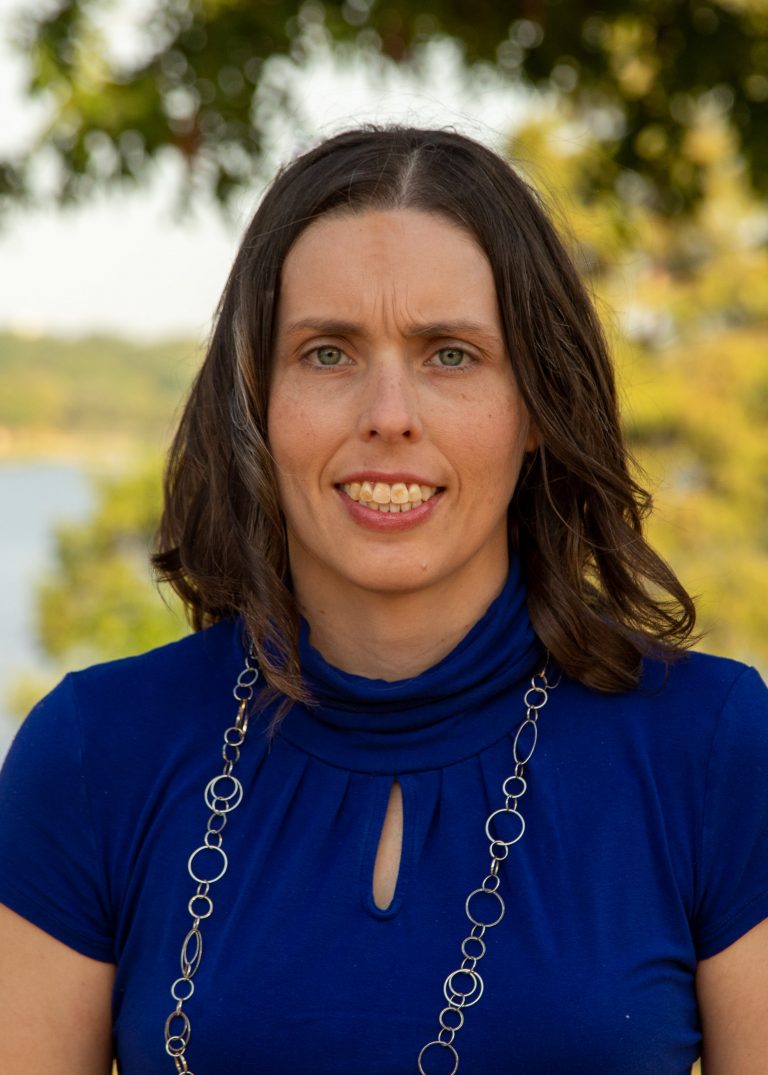
Ashley Davis, M.A., LPC
Dallas
View Profile
Holly Patterson, MA, LPC
Waco
View Profile
Kotia Whitaker, M.S. LMFT
San Antonio: Alamo Heights
View Profile
Vanessa Perkins, MA, LPC
Fort Worth
View Profile
Amy Hill, MS, LPC-S, LMFT-S
Coppell
View Profile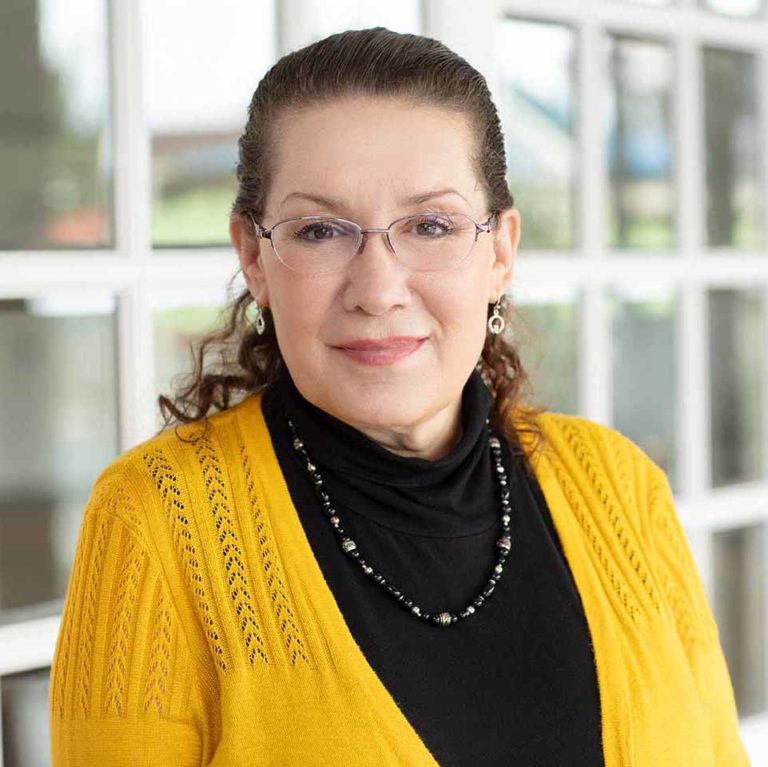
Colleen Farris, MS, LPC, LMHC
Coppell
View Profile
Stephanie Jutras, MSW, LCSW
Galleria
View Profile
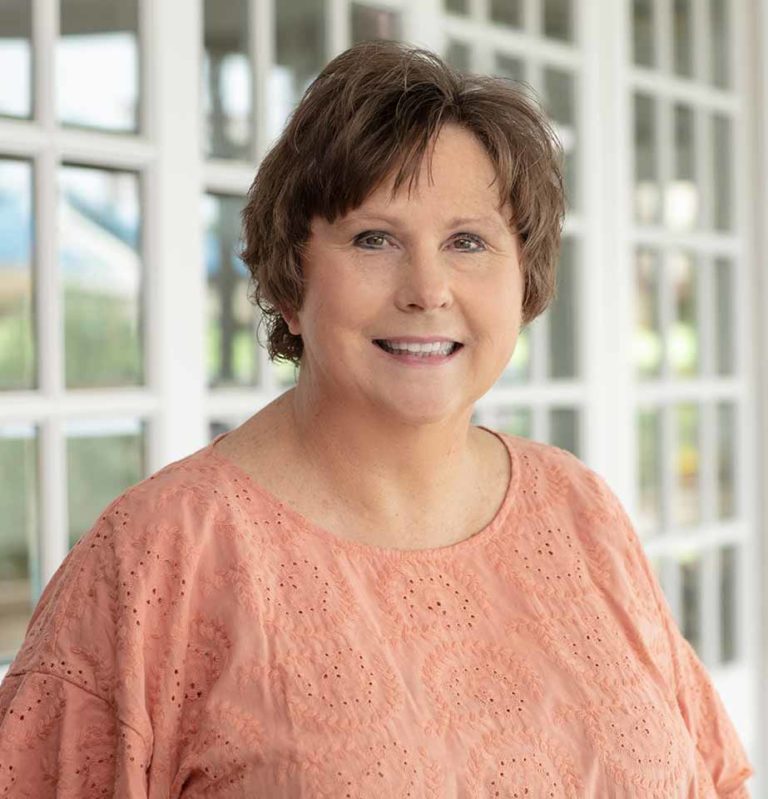
Lori Shaw, MS, LPC-S
Galleria
View Profile
Christopher Hinds, MRC, LPC
Dallas
View Profile
Understanding Post-Traumatic Stress Disorder (PTSD)
Post‑traumatic stress disorder (PTSD) is a mental health condition that can develop after experiencing or witnessing a traumatic or life‑threatening event. While it is natural to feel afraid during and after a traumatic situation, many people find that their initial symptoms lessen over time. However, for clients with PTSD, the body’s stress response can remain heightened, leading to ongoing distress that interferes with daily functioning.
Trauma can stem from a wide range of experiences, including but not limited to:
- Accidents
- Sudden Loss
- Distressing or Violent Incidents
- Toxic Relationships
- Overwhelming Events
According to the National Institute of Mental Health, PTSD symptoms must last more than a month and be severe enough to interfere with relationships or work to be considered PTSD.
Patients may also be interested in exploring complex post-traumatic stress disorder (CPTSD), another trauma-related mental health disorder resulting from long-term, repeated trauma. According to the Cleveland Clinic, “the main differences between PTSD and CPTSD are the length of trauma and the symptoms”.
Who Can Develop PTSD?
It is a common misconception that PTSD only affects veterans. In reality, clients of many ages and backgrounds can develop PTSD. Factors such as the intensity of the trauma, previous life experiences, and the level of support available after the event can all influence whether a client develops the disorder. Whether the trauma occurred recently or years ago, seeking trauma‑informed counseling can be an important step toward healing. Our experienced therapists are here to support you through every stage of your journey, offering a safe space to process your experiences.

Recognizing the Symptoms of PTSD
Identifying the signs of PTSD is the first step toward getting the right help. Symptoms generally fall into four distinct categories as outlined by the American Psychological Association (APA):
- Intrusive Memories: This includes recurrent, unwanted, distressing memories of the traumatic event, often manifesting as flashbacks and anxiety. You may feel as though you are reliving the event or experience vivid nightmares that disrupt your sleep.
- Avoidance Behaviors: Many clients try to avoid thinking or talking about the traumatic event. This may also involve staying away from places, activities, or people that serve as reminders of the trauma.
- Negative Changes in Thinking and Mood: PTSD can lead to persistent negative beliefs about oneself or the world. You might experience feelings of detachment from loved ones, a loss of interest in activities you once enjoyed, or difficulty experiencing positive emotions.
- Changes in Physical and Emotional Reactions: Also known as arousal symptoms, these include being easily startled, feeling “jumpy,” or experiencing irritability and angry outbursts. Many clients struggle with hypervigilance, feeling constantly on guard and scanning their environment for potential threats.

Our Approach to PTSD Counseling and Therapy
At Taylor Counseling Group, we utilize a variety of evidence‑based trauma therapies to support your journey toward wellness. Our counselors are trained in trauma‑informed care, meaning sessions are approached with an understanding of how trauma can affect your thoughts, emotions, body, and relationships.
One of our primary methods is Cognitive Behavioral Therapy (CBT) for trauma. This approach helps clients identify and challenge the negative thought patterns and beliefs that have developed as a result of their experiences. By processing the trauma in a safe environment, clients can reduce the power the memories hold over them. We believe in creating individualized treatment plans that respect each client’s unique pace and goals, ensuring that therapy is a collaborative and empowering experience.
Schedule A Counseling Session For PTSD
Client PortalWhy Choose Taylor Counseling Group for Trauma Recovery?
Choosing the right provider for trauma therapy in Texas is a significant decision. Taylor Counseling Group stands out for our commitment to excellence and accessibility.
Compassionate counselors
Our team includes counselors with training and experience in trauma recovery and PTSD‑related concerns. We utilize evidence-based, trauma-focused approaches to deliver effective and compassionate care.
Accessibility Across Texas
Quality care should be within reach. With multiple locations across Central Texas—including Alamo Heights, Coppell, Dallas, Fort Worth, Galleria, Houston Memorial Park, West Houston ,San Antonio, The Woodlands, and Waco—as well as convenient telehealth options, we make it easier to find a therapist near you.
Affordable Care
Our team is dedicated to making mental health services in Central Texas as accessible as possible. By accepting most major insurance plans and offering an income‑based Affordable Care Program, we strive to reduce financial barriers to treatment.